PLACE IN SERVICES (SERVICE DISTRIBUTION)
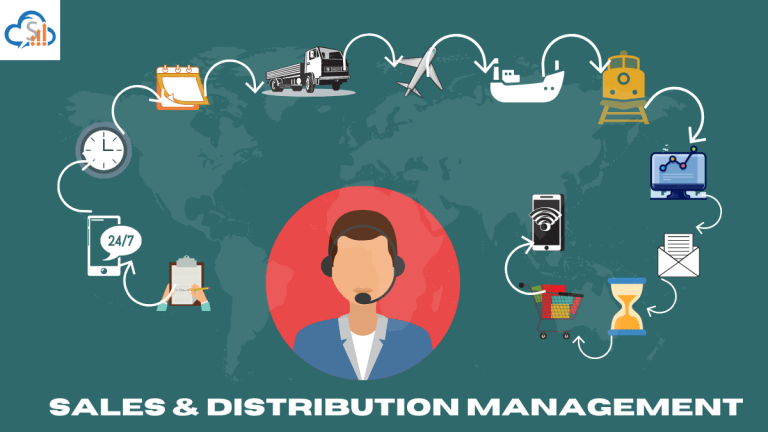
In services marketing, Place refers to the channels, locations, methods, and systems through which a service is delivered to customers.
Unlike physical products, services cannot be stored or transported, because they are intangible, inseparable, perishable, and produced-consumed simultaneously.
Therefore, “Place” in services focuses on how the customer accesses the service rather than where the product is delivered.
Place becomes a critical element of the service marketing mix because service delivery system, convenience, accessibility, and speed directly influence customer satisfaction and loyalty.
---
? Why Place is Important in Service Marketing?
Services require customer presence or service provider presence.
Customer convenience improves service experience.
Fast, easy-to-reach service points increase customer satisfaction.
Efficient distribution channels reduce service costs.
Digital delivery has expanded reach and reduced dependency on physical locations.
---
? DIAGRAM: Place in Services (Text Format)
Service Production → Service Delivery Channel → Customer Experience
OR
Physical Locations + People + Processes + Technology = Service Place Strategy
---
? KEY ELEMENTS OF PLACE IN SERVICE MARKETING
---
1️⃣ Physical Location of Service Delivery
Services often require customers to visit the provider’s location.
The location must be convenient, accessible, and comfortable.
Examples:
Hospitals in central city locations
Banks situated near markets or residential areas
Restaurants positioned in high-footfall areas
Coaching institutes near schools/universities
Case Example:
Apollo Hospitals selects locations in major metro cities, near transport hubs, ensuring quick accessibility during emergencies.
---
2️⃣ Customer’s Location (Service Provider Comes to Customer)
In many services, the provider delivers service at the customer's location.
Examples:
Home delivery (Domino's, Zomato)
Home cleaning services (Urban Company)
Courier & logistics (Blue Dart, DTDC)
Home-based tutoring or beauty services
Importance:
Customer convenience becomes a strong differentiator.
---
3️⃣ Electronic and Digital Delivery Channels (E-Place)
Digitalization has transformed service distribution by eliminating the need for physical presence.
Examples:
Online banking (SBI, HDFC apps)
OTT services (Netflix, Hotstar)
Online education (BYJU’S, Unacademy)
Telemedicine (Practo, Tata Health)
Benefits:
24×7 access
Low cost
Unlimited geographical reach
---
4️⃣ Service Outlets and Service Networks
Organizations expand through multiple service points to reach more customers.
Examples:
Domino's 30-minute model using many small outlets
ATM networks of ICICI Bank
MakeMyTrip kiosks at airports
Case Study:
McDonald’s uses a hub-and-spoke model.
Small delivery-focused outlets (spokes) receive supplies from a central kitchen (hub), ensuring speed and quality.
---
5️⃣ Franchise System
Franchising is a highly effective place strategy for service expansion.
It ensures standardization, quality, and fast reach.
Examples:
McDonald's
KFC
Apollo Clinics
FirstCry stores
Importance:
Quick expansion without heavy investment
Franchisees bring local market expertise
---
6️⃣ Intermediaries in Service Delivery
Sometimes services are delivered through agents or third-party partners.
Examples:
Travel agents selling flight tickets
Insurance agents selling policies
Tour operators
Retail partners selling telecom SIM cards
Benefits:
Wider reach
Lower operating cost
---
7️⃣ Scheduling, Timing, and Availability
Place also involves when the service is available.
Services are time-dependent; improper scheduling leads to dissatisfaction.
Examples:
Banks offering extended working hours
Hospitals providing 24×7 emergency care
Zomato instant delivery zones
Movie theatres offering multiple show timings
---
8️⃣ Capacity and Queue Management (Critical for High-contact Services)
Place strategy also includes how customers are handled when demand exceeds capacity.
Examples:
Token system in banks
Appointment system in hospitals
Waiting lounges at airports
Fast-track queues at amusement parks (Express Pass)
---
? DIFFERENCE BETWEEN PLACE IN GOODS & SERVICES
Aspect Goods Services
Physical movement Required Not required
Storage Possible Not possible
Customer involvement Low High
Delivery channel Retailers/distributors Service provider or digital
Importance of location Medium Very high
---
? CASE STUDIES ON SERVICE PLACE STRATEGY
---
Case Study 1: Ola & Uber – On-demand Service Delivery
Customer doesn’t go to the provider.
The service provider comes to the customer through technology.
GPS, app navigation, and dynamic pricing act as distribution tools.
Outcome:
Convenience transformed the taxi industry.
---
Case Study 2: Amazon Prime & Flipkart – Hybrid Place System
Product delivery + digital service (Prime Video, Music)
Distribution centers strategically placed across cities for 1-day delivery.
Result:
Improved last-mile connectivity leads to higher customer loyalty.
---
Case Study 3: IRCTC & Railway Ticket Booking System
Offline counters → long queues
Online e-ticketing → instant nationwide access
App and digital kiosks improved efficiency
Place Strategy Insight:
Technology drastically improved customer experience.
---
Case Study 4: Healthcare – Apollo Telemedicine
Patients receive doctor consultation from home
Reduces pressure on physical hospitals
Virtual appointments improve access in rural India
---
? STRATEGIES TO IMPROVE PLACE IN SERVICES
1️⃣ Increase digital presence
2️⃣ Reduce customer travel by offering mobile services
3️⃣ Use multiple channels—franchise, agents, online portals
4️⃣ Optimize service locations using research & data
5️⃣ Reduce waiting time with smart scheduling
6️⃣ Add self-service kiosks
7️⃣ Expand through partnerships (banks + ATMs, telecom + retailers)
---
? SUMMARY
Place in services is not just a location—it is an entire distribution strategy involving:
Service location
Customer location
Digital platforms
Intermediaries
Franchise networks
Scheduling & queue management
Multi-channel accessibility
A strong place strategy enhances convenience, customer satisfaction, brand trust, and competitive advantage.